The back-to-school season often comes with a mix of excitement and nerves. While some children run into the classroom ready to learn, others may feel overwhelmed by the changes in routine, social expectations, or academic challenges. As parents, you can support your child by teaching practical coping skills that help them feel calm, capable, and ready to take on the day.
Here are some back-to-school coping skills that can make the transition smoother for your family.
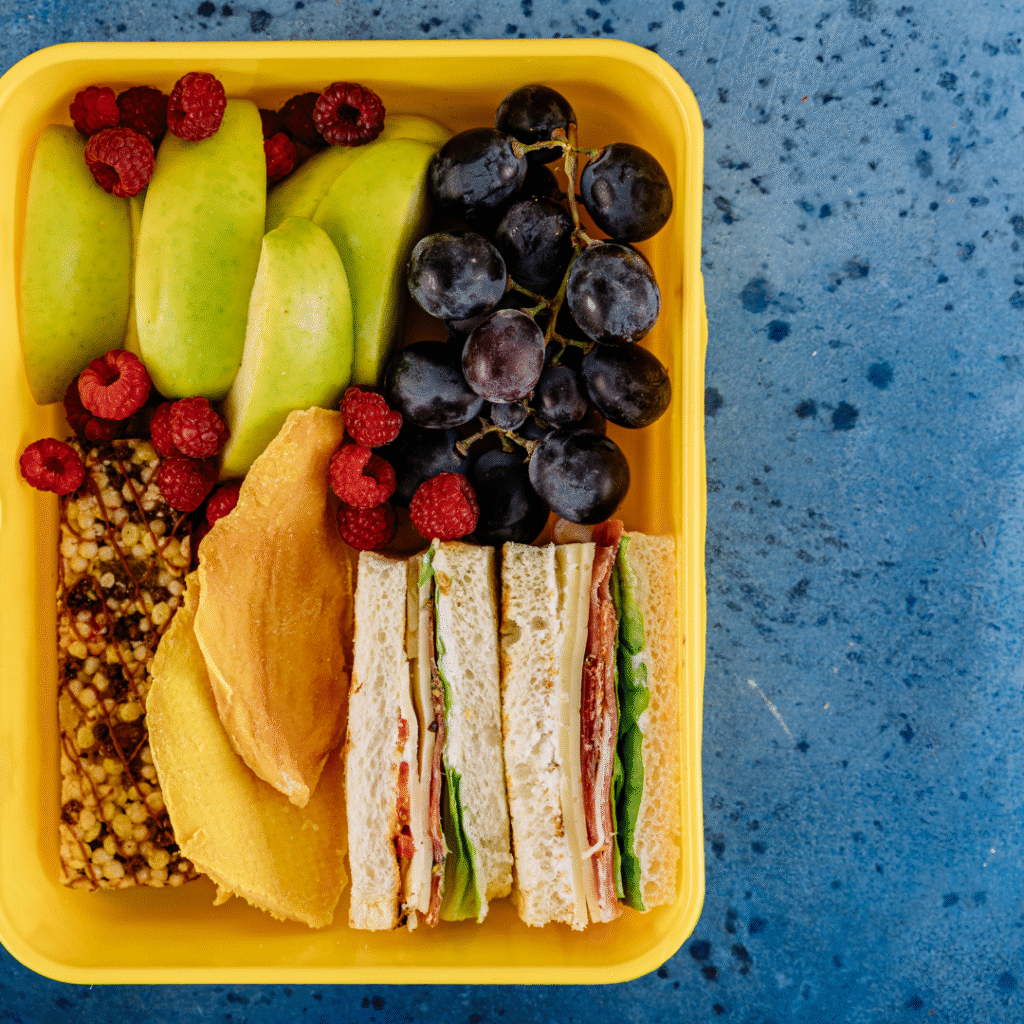
1. Create Consistent Morning Routines
A calm morning sets the tone for the entire day. Children thrive when they know what to expect, so a predictable morning routine can reduce stress.
- Use a visual schedule with pictures or simple words to help your child move through each step.
- Prepare clothes, backpacks, and lunches the night before to avoid last-minute chaos.
- Build in a 5-minute “calm start” like stretching, listening to soft music, or a few deep breaths before heading out the door.
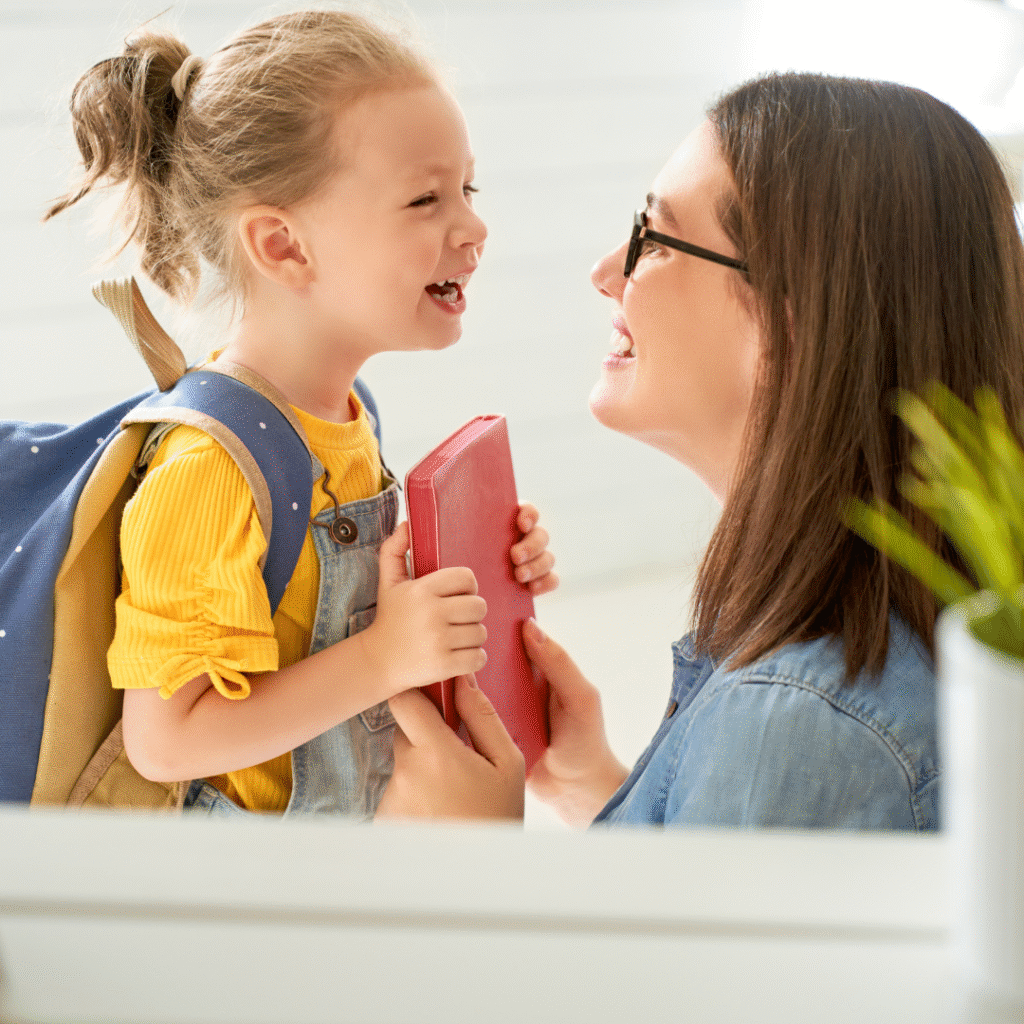
3. Support Social Confidence
Friendships and social interactions are a big part of school life. A little preparation at home can help children feel more comfortable with peers.
- Role-play greetings and conversations, so your child feels ready to connect with classmates.
- Suggest they choose one activity at recess or lunch that helps them engage with others.
- Remind them that it is always okay to ask for help from a teacher or peer if they feel unsure.

2. Practice Coping Skills for the Classroom
School days can be long and full of challenges. Giving your child tools to manage their feelings during the day can boost confidence.
- Teach simple breathing exercises to help them stay calm when they feel anxious.
- Provide a small comfort item, such as a fidget toy or keychain, that can fit in their pocket.
- Encourage positive self-talk with a phrase like, “I can do this” or “I am ready to learn.”
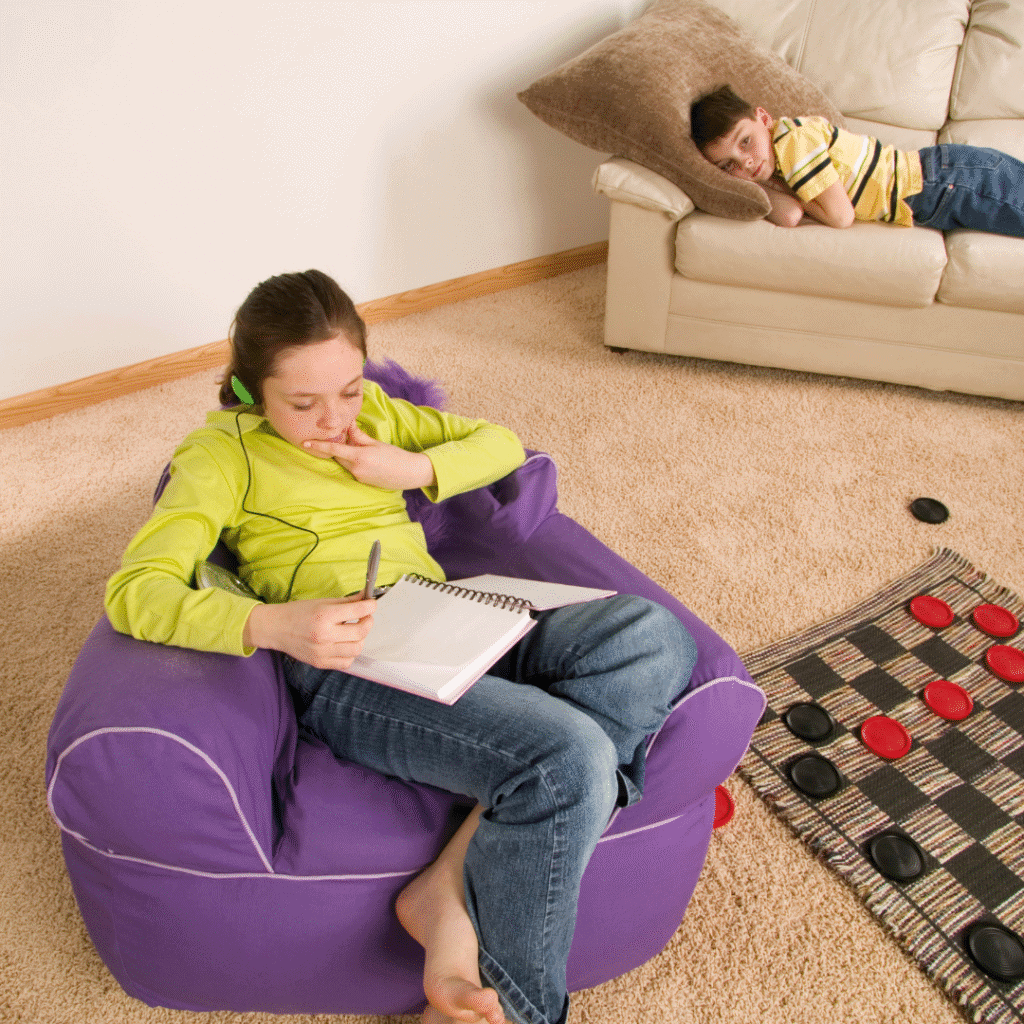
4. Create After-School Reset Routines
Children often need time to unwind after a busy day of learning. Offering space to recharge makes homework and evening routines easier.
- Allow 15 minutes of downtime after school before starting homework.
- Provide a snack and encourage a movement break to release energy.
- Check in with feelings by asking, “What was the best part of your day?” and “What was the hardest part?”

5. Parent Support Matters Too
Transitions take time, and your support makes a big difference. By modeling patience and consistency, you help your child feel secure.
- Keep routines as steady as possible to build comfort.
- Celebrate small wins, even if they seem minor.
- Remember that adjusting to a new school year is a process, and progress may come gradually.
Back-to-school coping skills are not just about surviving the transition. They are about building habits that support emotional well-being, confidence, and resilience all year long. With a little preparation and patience, your child can start the school year feeling strong and supported.
If you’re interested in learning about how GBS can provide services in your school, check out our School Services.
If you’re looking for help with your first IEP meeting, check out IEP SOS: A Service for Parents or get in touch!