Home | Adult Services
ABA Therapy for Adults in New Jersey
Graham Behavior Services provides therapy to individuals with autism across the lifespan.

Autism Support Doesn't End at 18
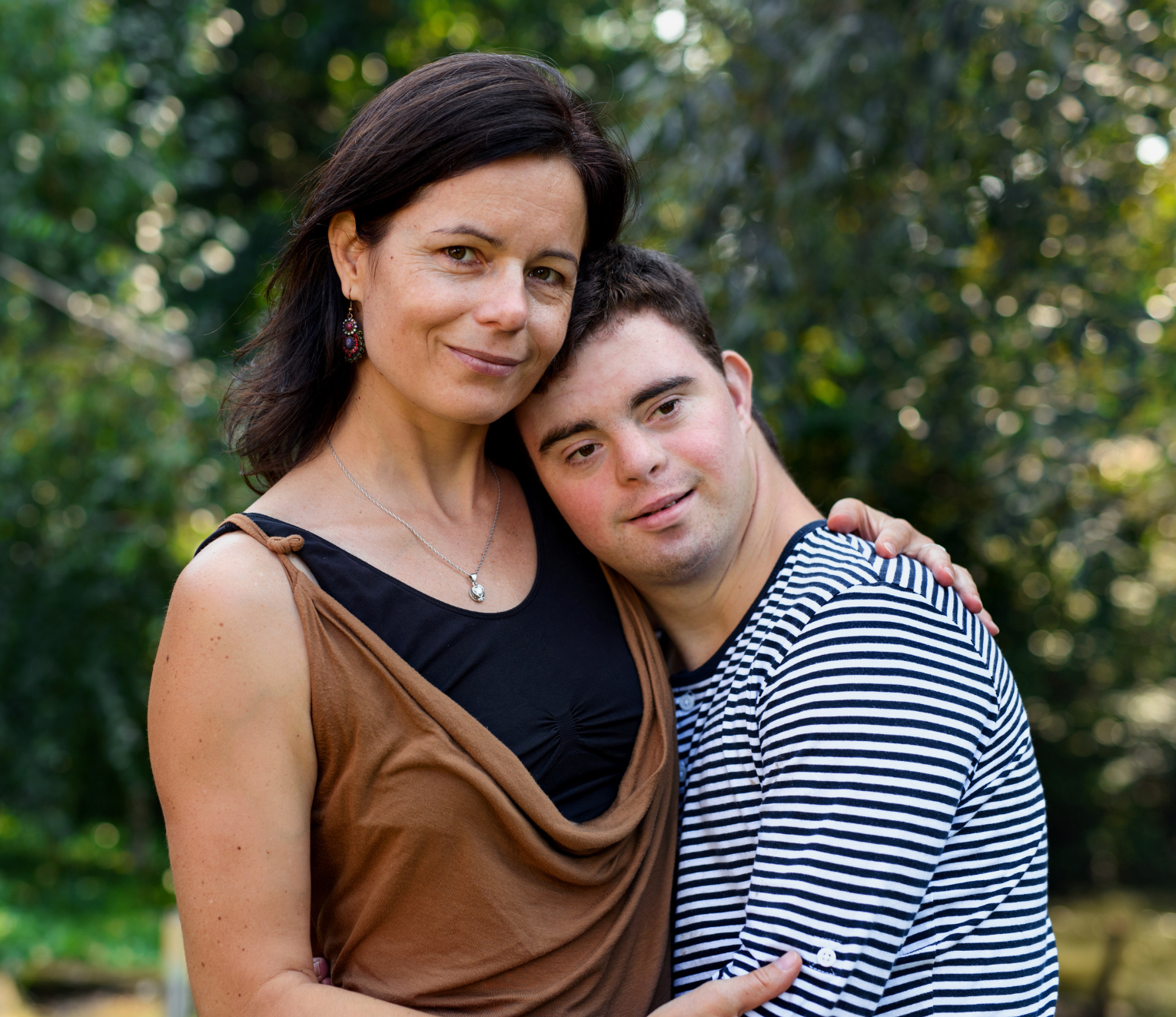
ABA therapy isn’t just for children. At Graham Behavior Services, we support individuals with autism across the lifespan, including adults who need continued, individualized care. Whether your loved one is transitioning out of school-based services or exploring support for the first time, our team works with your family to build a plan based on their specific needs, goals, and diagnosis.
What Is ABA Therapy for Adults?
Applied Behavior Analysis (ABA) therapy for adults looks different from ABA for young children, but the foundation is the same: it’s structured, evidence-based, and built around each person’s goals.
Adult ABA therapy at GBS is:
- Designed and supervised by a Board Certified Behavior Analyst (BCBA)
- Built around a formal treatment plan with measurable, individualized goals
- Focused on real-world skills like safe community access, job-task sequences, and coping strategies
- Supported by regular data collection so progress is tracked and plans adjust as needs change
Because every adult’s needs and goals are different, therapy is fully individualized. Some clients work on independence in daily routines. Others focus on vocational skills or navigating community settings safely and confidently.
Clinic-Based & In-Home Options
Our team can help you figure out the right fit depending on the individual’s goals, funding, and support needs.
Clinic-Based ABA
For adults who benefit from a structured, supportive clinic environment, our Adult Day Program offers one-on-one, individualized support alongside opportunities for vocational training and community engagement.
In-Home ABA
For adults who benefit from learning and practicing skills in their everyday environment, in-home ABA therapy brings the same individualized, BCBA-supervised programming into the home. This option is often a good fit for building daily living skills in the spaces where they’ll actually be used.
ABA Therapy vs. DSP Services:
What's the Difference?
Families often come to us trying to understand how ABA therapy compares to Direct Support Professional (DSP) services. Both can play meaningful roles in an adult’s life, but they serve different purposes.
Think of it this way: ABA is structured, short-to-medium-term therapy with a behavior specialist. DSP support means trained staff in an individual’s daily life, for the long haul.
| ABA Therapy | DSP Support Services |
|---|---|
| Designed and supervised by a BCBA | Led by a support coordinator and agency supervisors |
| Delivered by a trained Behavior Therapist | Day-to-day support from a Direct Support Professional |
| Built around a formal treatment plan with measurable goals | Guided by an Individual Support Plan (ISP) centered on daily needs |
| Structured programming to build skills and reduce challenging behaviors | Focused on independence and community participation in natural settings |
| Time-limited, with hours adjusted based on clinical need | Long-term and ongoing through DDD enrollment |
| Example goals: coping strategies, safe community access, job-task sequences | Example goals: safe home management, attending a day program, weekly social activities |
How GBS's DDD-Funded Support Is Different
If your loved one is eligible for DDD-funded support, you may see the term “DSP” used broadly across the field. At GBS, our DDD-funded staff are called Client Care Professionals (CCPs), and there are a few important differences in how we structure that support.
- BCBA Supervision. Unlike a typical DSP model, our CCPs work under the oversight of a Board Certified Behavior Analyst, not just an agency supervisor.
- Autism-Specific Expertise. Our CCPs support individuals with an autism diagnosis specifically, so programming reflects an understanding of autism and behavioral needs, not a general support model applied broadly.
- Acuity-Informed Planning. Support is shaped around each client’s individual acuity, meaning the level and type of support reflects their specific behavioral and clinical needs, not a one-size-fits-all approach.
In short, our CCPs bring the clinical rigor of ABA into a long-term, DDD-funded support role, so families get the continuity of DSP-style support with the added layer of BCBA oversight.
Understanding Funding for Adult Services

Paying for adult services can feel complicated, especially when a family is figuring it out for the first time. Here’s a general overview:
Adult ABA Therapy can be funded through:
- Private Pay
- Insurance
- Medicaid HMO
CCP/DDD-Funded Support is available through New Jersey’s Division of Developmental Disabilities (DDD) for eligible adults.
Learn more about DDD eligibility and how to apply →
Every family’s situation is different, and many clients use a combination of funding sources. Our team can walk you through what’s available based on your specific circumstances.
Have Questions?
Fill out our contact form and a member of our team will reach out within one business day.
Support for the Whole Family
Adult services at GBS go beyond ABA therapy. Explore other ways we support adults and their families:
- Adult Day Program: Structured, clinic-based support with vocational and community opportunities
- DDD Services: Eligibility and application guidance for DDD-funded support
- Speech Therapy: Support for communication and language needs
- Feeding Therapy: Support for mealtime challenges and sensory sensitivities
- Sleep Coaching: Strategies for building healthy sleep routines
- Relationships & Sexuality Coaching: Education and resources on relationships and healthy boundaries