Home | Employment Opportunities | Career Paths with Graham Behavior Services
Career Paths with Graham Behavior Services
At Graham Behavior Services, our mission is to deliver high-quality, evidence-based therapy that helps individuals with autism spectrum disorders and behavioral challenges achieve meaningful progress. Every member of our team, whether providing direct care, therapeutic interventions, or clinical oversight, plays a crucial role in bringing our mission to life.
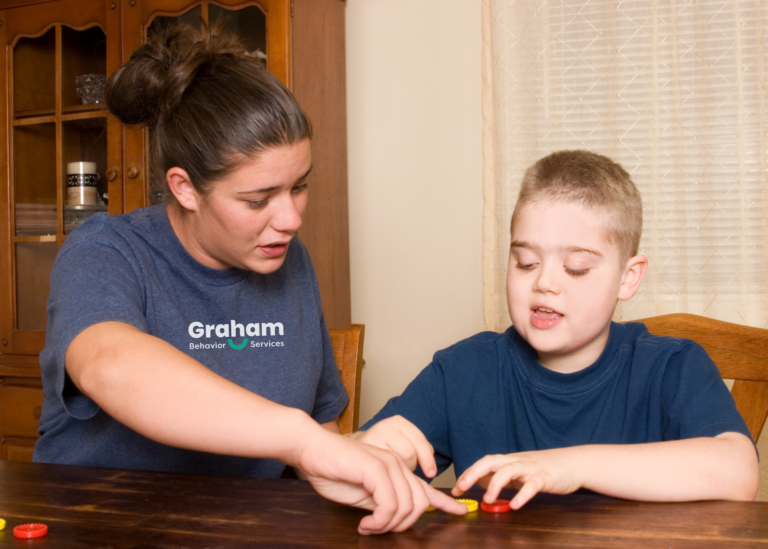
What is a CCP?
Client Care Professionals (CCP) or Direct Support Professionals (DSP) are essential caregivers who work with individuals with intellectual and developmental disabilities, helping them to lead more independent and fulfilling lives.
Client Care Professionals FAQs
What does a Client Care Professional/ DSP do?
CCPs and DSPs support adults with developmental disabilities in daily living skills, promote independence and safety, and help clients participate more fully in their communities. They also assist in implementing behavior support plans under BCBA guidance, working closely with the clinical team to support each client’s goals.
What do you need to become a CCP/DSP at Graham Behavior Services?
This role starts with a high school diploma or equivalent and a genuine interest in working with people with disabilities. Before starting, candidates complete a few pre-requirements, including fingerprinting, a drug screen, a CARI check, and CDS training modules, along with additional credentialing steps like online modules, in-person training, and CPR certification.
Is there a path from CCP/DSP into other roles?
Yes. Many CCPs/DSPs begin RBT training while working in their role, completing a 40-hour RBT course (paid) before sitting for the RBT Certification Exam. From there, the role can lead into Behavior Therapist positions and beyond, making it a strong entry point into a longer-term career in behavioral health.
How long does it take to move from CCP/DSP to RBT certification, and is there earning potential along the way?
The full path, from application to RBT certification, typically takes about six months to a year. As skills and experience grow, there is potential for hourly pay increases along the way, with earning potential varying depending on role, experience, and case assignments.
What is an RBT?
Registered Behavior Technicians (RBTs) play a vital role in Applied Behavior Analysis (ABA) therapy. Working under the supervision of Board Certified Behavior Analysts (BCBAs), RBTs implement behavior intervention plans, collect data, and provide direct support to individuals with autism spectrum disorders and other developmental disabilities. They assist in skill acquisition programs, conduct functional assessments, and collaborate with treatment teams to ensure effective and consistent care
Registered Behavior Technicians FAQs
What does a Registered Behavior Technician do?
An RBT works directly with clients to carry out the ABA therapy plans designed by a BCBA. This includes running structured teaching sessions, collecting data on client progress, and helping build skills like communication, self-help, and social interaction. RBTs work under the close supervision of a BCBA or BCaBA and are often the team member spending the most one-on-one time with clients.
How do you become an RBT?
Becoming an RBT starts with a high school diploma or equivalent. From there, candidates complete a 40-hour training course covering ABA principles and ethics, pass a competency assessment, and sit for the RBT exam through the Behavior Analyst Certification Board (BACB). Graham Behavior Services supports new hires through this process with paid training and hands-on mentorship.
What skills or qualities make a good RBT?
Patience, consistency, and a genuine interest in helping people learn new skills go a long way in this role. RBTs also need to be comfortable following a structured plan, tracking data accurately, and communicating clearly with the clinical team about client progress.
Can an RBT position lead to career growth?
Yes. Many RBTs use the role as a stepping stone toward becoming a Behavior Therapist and eventually pursuing BCBA certification. Graham Behavior Services offers a clear pathway for advancement, along with supervision, mentorship, and support for further credentialing.
What is a Behavior Therapist?
Behavior Therapists play a crucial role in ABA therapy, working directly with individuals to implement behavior intervention plans and promote positive change. They conduct assessments, develop individualized treatment plans, and implement evidence-based strategies to address challenging behaviors and teach new skills. Behavior Therapists focus on improving communication, social skills, and daily living abilities for their clients, often working with individuals with autism spectrum disorders or other developmental disabilities.
Behavior Therapist FAQs
What does a Behavior Therapist do?
Behavior Therapists deliver ABA therapy services to children or adults under BCBA supervision, implementing skill-building and behavior support programs. They track progress, adjust their approach based on data, and communicate regularly with the clinical team to keep treatment plans on course.
What qualifications do you need to become a Behavior Therapist?
At Graham Behavior Services, Behavior Therapists typically hold a bachelor’s degree along with at least one year of ABA experience. Many come from backgrounds in psychology, education, or social work, and some are graduate students studying behavior analysis.
How is a Behavior Therapist different from an RBT?
The two roles overlap in day-to-day responsibilities, but Behavior Therapists generally bring more education and experience to the position. At GBS, this role is often a bridge for RBTs looking to grow, or an entry point for candidates with a bachelor’s degree who are building ABA experience before pursuing further certification.
Is there room to grow from a Behavior Therapist role?
Absolutely. Behavior Therapists at Graham Behavior Services are supported with paid training, hands-on clinical mentorship, and assistance working toward RBT certification if they haven’t already earned it. Many go on to pursue their BCBA.
What is a BCBA?
Board Certified Behavior Analysts (BCBAs) play a crucial role in Applied Behavior Analysis (ABA) therapy. They conduct comprehensive assessments, develop individualized behavior intervention plans, and oversee their implementation. BCBAs collaborate with clients, families, and other professionals to address challenging behaviors, promote skill acquisition, and improve overall quality of life for individuals with autism spectrum disorders and other developmental disabilities.
Board Certified Behavior Analyst FAQs
What does a BCBA do?
A BCBA designs and oversees individualized ABA treatment plans, supervises RBTs and Behavior Therapists, and collaborates closely with families, schools, and other providers involved in a client’s care. BCBAs are responsible for assessments, goal-setting, and using data to guide ongoing treatment decisions.
What does it take to become a BCBA?
Becoming a BCBA requires a master’s degree in behavior analysis or a related field, along with completion of BACB-approved coursework and supervised fieldwork hours. Candidates then sit for the BCBA certification exam through the Behavior Analyst Certification Board.
What is it like to work as a BCBA at Graham Behavior Services?
BCBAs at GBS lead treatment planning and supervise a team of Behavior Therapists and RBTs, all while working within a collaborative, supportive culture. The organization emphasizes a high-quality supervision culture and gives BCBAs the resources they need to focus on clinical decision-making rather than administrative overload.
Are there leadership opportunities for BCBAs at Graham Behavior Services?
Yes. Graham Behavior Services offers leadership development and advancement pathways for BCBAs who want to grow into larger clinical or organizational leadership roles over time.
Why Work for Us
At GBS, we prioritize your growth as much as our clients’ progress. Joining our team means becoming part of a compassionate, collaborative community dedicated to excellence in behavioral therapy.
We offer:
Extensive, high-quality paid training and continuing education
Flexible scheduling to fit your lifestyle
Career advancement pathways from entry-level to BCBA leadership
Supportive mentorship and supervision
Comprehensive benefits, including health, dental, and retirement options
Opportunities to specialize and expand your skills
If you’re passionate about helping individuals overcome challenges and reach their full potential, we invite you to join us. Together, we make meaningful change possible—one client, one session, one success at a time.
Benefits Include:
- FT/PT Hours
- Flexible work schedule
- Monthly trainings (free CEs!)
- Mileage Reimbursement
- Tuition Assistance
- Health & Dental Benefits
- Work/Life Balance