
Families often ask how they can help kids thrive during the holidays when routines shift, sensory demands increase, and social expectations feel overwhelming. The season is full of joy, but it can also bring challenges that are tough for children to navigate without support. With guidance rooted in ABA, parents can prepare their children for new experiences, build confidence, and create meaningful moments that feel enjoyable rather than stressful. This Q and A offers clear, practical strategies to support your child through the holiday season.
Q: Why do holidays feel so challenging for many kids?
A: Holidays shift the usual rhythm of day-to-day life. School breaks, unfamiliar environments, bright decorations, loud music, new foods, and busy schedules can all feel unpredictable. Children who rely on structure or who experience sensory sensitivities may have a harder time adjusting. ABA therapy can help children build the skills they need to handle changes calmly, communicate their needs, and participate in meaningful moments with family.
Q: How can we prepare our child for holiday activities?
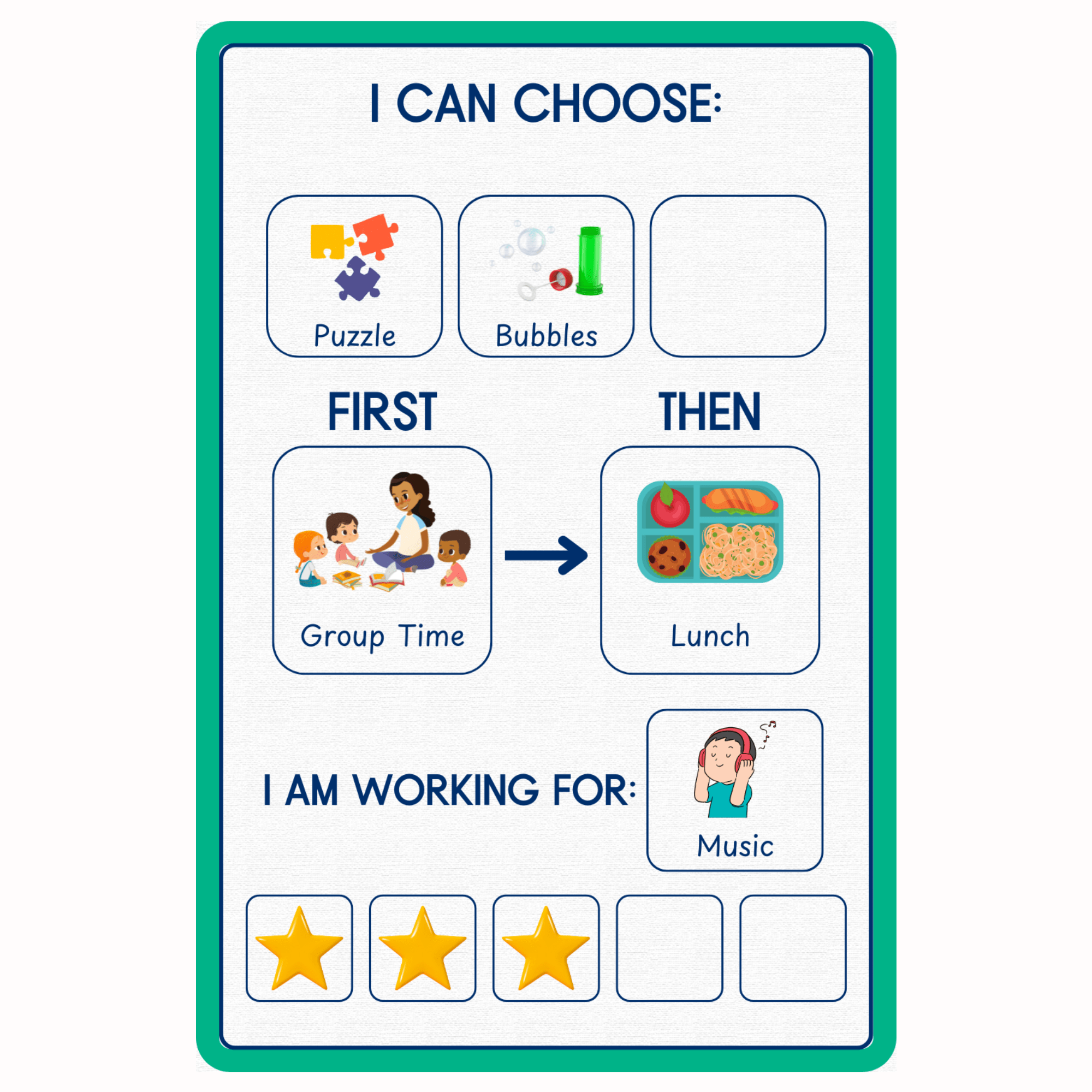
A: Preparation builds comfort and confidence. You can support your child by:
- talking through upcoming events in simple, clear language
- showing photos of people or places they may see
- walking through the plan for the day
- practicing any expected social routines during calm moments
Previewing experiences helps reduce uncertainty and supports smoother transitions.
Q: What should we do if our child becomes overwhelmed during gatherings?
A: It is completely normal for kids to feel overloaded during busy holiday events. Noisy rooms, unfamiliar people, and fast-paced activities can be a lot to process. You can support your child by preparing tools that help them feel grounded and comfortable. Items such as noise-blocking headphones, comfort objects, preferred fidget toys, or a favorite book can make a big difference.
It also helps to identify a quiet space where your child can take breaks when needed. Practicing self-advocacy skills ahead of time, like asking for a break or requesting a quieter activity, gives them more control in the moment. ABA therapy can help your child build these communication and coping skills so they feel confident and supported during holiday gatherings.

Q: How can we support social interactions during the holidays?
A: Holidays often involve greetings, conversations, games, and shared activities. You can help your child by practicing:
- turn taking
- simple greetings
- responding to common holiday phrases
- joining group play
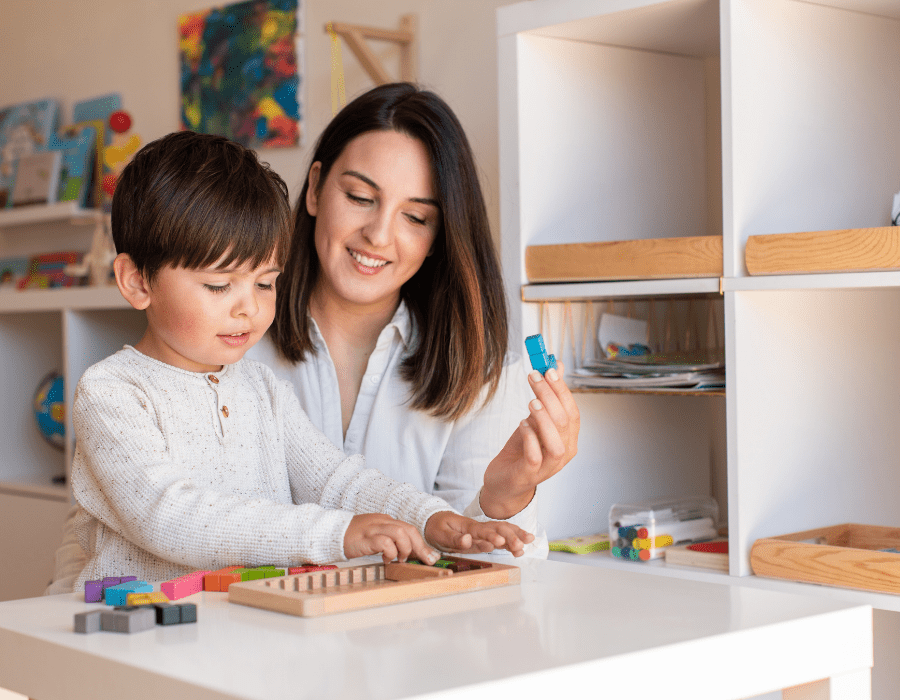
Role play can make these moments feel more predictable and fun. Your BCBA can also help identify the social skills that will be most impactful for your child.
Q: What if sensory experiences feel too intense for my child?
A: Holiday lights, music, textures, and scents can feel overstimulating. It helps to notice your child’s sensory preferences ahead of time. Some children may prefer soft lighting, quiet music, or familiar clothing. Others may benefit from noise-canceling headphones, fidget items, or short breaks from sensory input. Your BCBA, behavior therapist, or occupational therapist can collaborate with you on tools that fit your child’s needs.

Q: How can we keep routines steady and handle holiday mealtime challenges?
A: Kids do best when their day includes a few predictable touchpoints. Instead of trying to maintain the full school-year schedule, choose two or three anchors such as a morning check-in, a consistent mealtime window, or a familiar bedtime routine. These simple anchors create stability while still leaving plenty of room for holiday fun.
Mealtimes can also feel stressful when new foods and expectations are involved. You can help your child by bringing familiar foods, offering new foods without pressure, involving them in simple cooking steps, or describing foods in a neutral way. ABA and feeding specialists can guide you in building comfort and confidence around new foods during this season.
Q: How can we support emotions and handle unexpected challenges during the holidays?
A: Holiday excitement can bring big feelings. You can support your child by naming emotions, validating their experiences, and practicing calming activities like deep breathing, stretching, or quiet play. ABA sessions often focus on building emotional awareness and coping tools that help children regulate more independently.
Even with preparation, surprises can still happen. If your child becomes upset, stay supportive, keep your language simple, offer a break, or shift to a lower-demand activity. When your child feels ready, you can ease back into the gathering. Your ABA team can help you develop a personalized holiday support plan that anticipates triggers and outlines practical, family-friendly strategies.
Final Thoughts
The holidays can be joyful, memorable, and manageable with the right support. By preparing ahead, practicing key skills, and understanding your child’s needs, your family can enjoy meaningful traditions while keeping stress low.
If you’d like guidance tailored to your child, Graham Behavior Services is here to help your family create a season filled with connection, comfort, and confidence.
You can also check out this blog post for our top 10 strategies for Preparing For the Holidays.