Social-Emotional Learning (SEL) plays a vital role in helping children develop the skills they need to understand and manage their emotions, build relationships, and make responsible decisions. When it comes to children with autism or those engaged in early intervention services, incorporating SEL strategies into Applied Behavior Analysis (ABA) therapy can have transformative outcomes. Let’s explore how SEL integrates with ABA therapy to support children with autism and their unique developmental needs.
 What Is Social-Emotional Learning?
SEL is a framework that focuses on five core skills:
- Self-awareness
- Self-management
- Social awareness
- Relationship skills
- Responsible decision-making.
These skills help kids handle their feelings, get along with others, and make smart choices every day. For children with autism, SEL provides targeted tools to improve social engagement and emotional regulation. These areas often present unique challenges for them.
The Connection Between SEL and ABA Therapy
ABA therapy is a research-based approach that focuses on understanding behavior and using positive reinforcement to encourage desired behaviors. By integrating SEL into ABA practices, therapists can help children with autism achieve goals such as emotional regulation, effective communication, and building social relationships. For example:
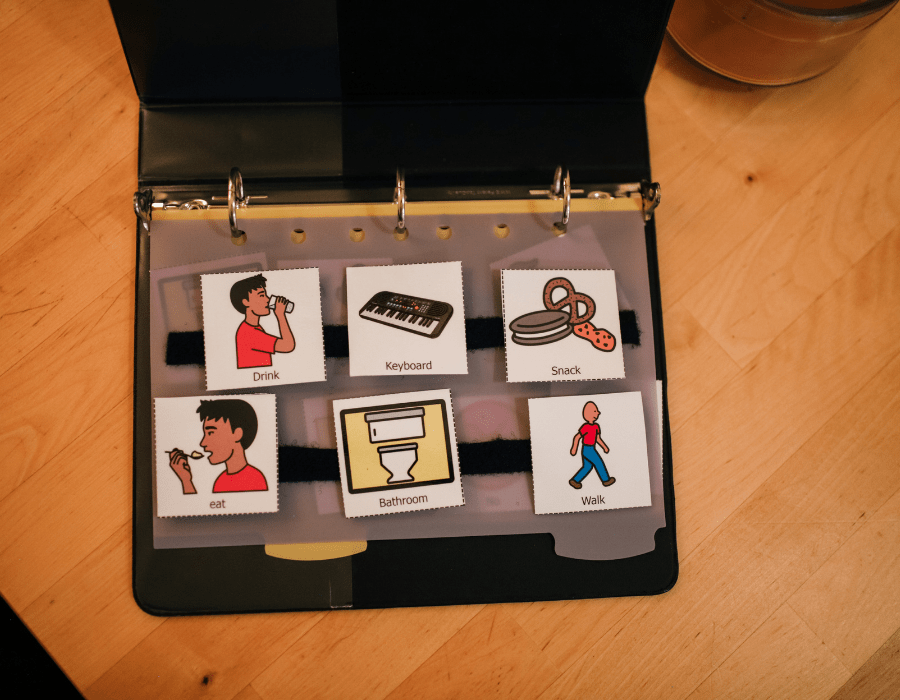
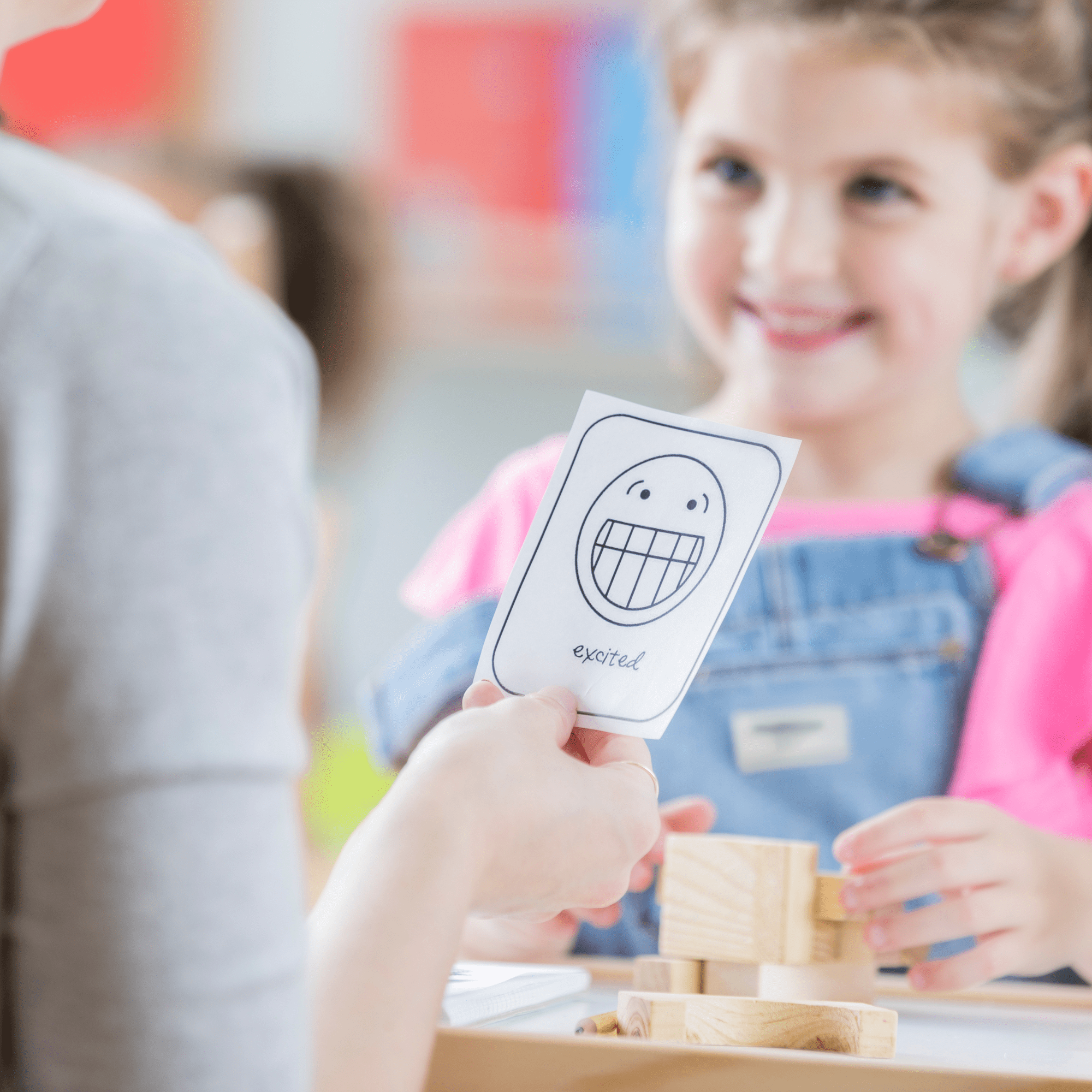
- Self-Awareness and ABA: ABA techniques can be used to teach children to recognize their emotions. Visual aids, such as emotion charts, help children identify how they’re feeling and link emotions to specific triggers or situations.
- Self-Management: Therapists use ABA strategies to manage challenging emotions. Things like reinforcement systems to help children learn coping mechanisms, such as deep breathing or counting to ten.
- Social Awareness: ABA programs often include peer interaction opportunities, helping children learn to read social cues, understand others’ perspectives, and respond appropriately.
- Relationship Skills: SEL-inspired ABA methods focus on teaching turn-taking, sharing, and conversation skills. These are the building blocks for meaningful relationships.
- Responsible Decision-Making: ABA therapy helps children practice problem-solving. They evaluate consequences through role-playing activities and structured choices.
SEL and Early Intervention
Early intervention services offer a crucial window for incorporating SEL strategies. Children’s brains are very adaptable during this stage. So, it’s a great time to teach skills like recognizing emotions and interacting with others. SEL-focused ABA therapy during early intervention can:
- Enhance communication skills, empowering children to express their needs and emotions.
- Build a foundation for positive social relationships, both with peers and caregivers.
- Promote independence and resilience, preparing children for future academic and social settings.
Benefits of SEL for Children with Autism
When SEL is integrated into ABA therapy and early intervention programs, children with autism often experience:
- Improved Emotional Regulation: Learning to identify and manage emotions reduces frustration and challenging behaviors.
- Enhanced Social Skills: Practicing skills like greeting others, maintaining eye contact, and initiating conversations fosters meaningful connections.
- Increased Confidence: As children master new skills, their confidence grows, encouraging them to take on new challenges.
- Greater Academic Success: SEL skills such as focus, self-discipline, and collaboration support learning in the classroom.
Partnering with Families
Parents and caregivers play a critical role in reinforcing SEL strategies at home. ABA therapists work with with families to create consistency across environments, ensuring children practice and generalize these skills in their daily lives. Simple activities, such as reading books about emotions or engaging in play-based social scenarios, help solidify SEL concepts.
Building a Brighter Future
At its core, SEL is about equipping children with the tools they need to thrive emotionally, socially, and academically. For children with autism, the integration of SEL into ABA therapy and early intervention provides a pathway to greater independence and fulfillment. By addressing social and emotional challenges early, we empower children to build stronger relationships, navigate their world with confidence, and achieve their full potential.
If you’re interested in learning more about how we incorporate SEL into our ABA therapy and early intervention services, contact us today. Together, we can support your child’s journey toward growth and success.
For more information about SEL and Autism, check out this webinar.