Home | Feeding Therapy for Children & Adults
Feeding Therapy for Children & Adults
Feeding challenges affect people of all ages, and support is closer than you think. At GBS, our Speech-Language Pathologist and BCBA team provide individualized feeding therapy for children and adults in West Long Branch, NJ.


GBS is proud to offer Feeding Therapy at our West Long Branch Clinic.
Mealtimes can be one of the most stressful parts of the day. Whether your child refuses most foods, gags or cries at the dinner table, or you are an adult navigating long-standing challenges with eating, you are not alone, and you do not have to figure this out by yourself.
At Graham Behavior Services, our Speech-Language Pathologist and BCBAs work together to provide feeding therapy for children and adults at our West Long Branch, NJ clinic. Our approach is science-based, evidence-driven, and always tailored to the individual and their family.
Understanding Feeding Challenges
Feeding challenges can look very different from person to person. They may be medical in nature, behavioral, or a combination of both.
For example, a baby with undiagnosed acid reflux may come to associate feeding with pain or discomfort. Even after the reflux resolves, the association remains, and mealtime behaviors continue. In this case, the root cause was medical, but the feeding difficulty has become behavioral over time.
For adults, feeding challenges can stem from sensory sensitivities, oral motor differences, anxiety around food, or patterns that developed in childhood and were never addressed. These challenges are real, they are valid, and they are treatable.
Whatever the cause, GBS is here to help you find a path forward.
What does feeding therapy with GBS look like?
Every plan is individualized. During the assessment process, your GBS team will get to know the individual’s history, preferences, sensitivities, and goals before recommending a course of treatment. From there, sessions are built around what that person actually needs, not a one-size-fits-all program.
Strategies we use:
- Play-based feeding therapy
- Desensitization therapy
- Positive reinforcement
- Skill-Based Treatment (SBT) for feeding, promoting a happy, relaxed, and engaged experience at mealtimes
- Home strategies and family training so progress carries over outside of sessions
Goals we work toward:
- Increasing the variety and amount of foods accepted
- Expanding textural variety
- Reducing challenging behaviors at mealtimes
- Improving mealtime behavior in community settings like restaurants
- Supporting the priorities and cultural values of the family
Who We Serve
Children
Feeding therapy can support children who are selective eaters, struggle with textures or temperatures, exhibit mealtime behaviors that cause stress for the whole family, or have a history of medical feeding challenges that have developed into behavioral ones. We work with children of all ages.
Adults
Feeding challenges do not always resolve on their own, and adults deserve the same quality of support. Whether challenges have been present since childhood or have become more noticeable over time, our team approaches adult feeding therapy with the same individualized, compassionate care. We welcome adult clients and their families or caregivers into the process.
Learn more about our Adult Services at GBS.


Insurance & Coverage
Feeding therapy at GBS is covered by many major insurance plans, including Medicaid HMO. We also accept private pay.
Our team is happy to help you understand your coverage before you get started. Visit our Insurance and Billing page or contact us with questions.
Feeding Therapy Frequently Asked Questions
Is feeding therapy only for young children?
No. While feeding therapy is often associated with early childhood, challenges with eating can affect people of any age. GBS offers feeding therapy for children and adults.
How do I know if my child or family member needs feeding therapy?
Signs that feeding therapy may help include: accepting only a very limited range of foods, strong reactions to food textures, smells, or temperatures, significant mealtime distress or behavior challenges, difficulty gaining weight related to feeding, or a history of medical feeding issues. If you are unsure, reach out to us. We are happy to talk through what you are seeing.
Does insurance cover feeding therapy?
Many insurance plans, including Medicaid HMO, cover feeding therapy when provided by a Speech-Language Pathologist. Coverage varies by plan. Contact us and we can help you explore your options.
Where is feeding therapy offered?
Feeding therapy is currently available at our West Long Branch, NJ clinic only.
Who provides feeding therapy at GBS?
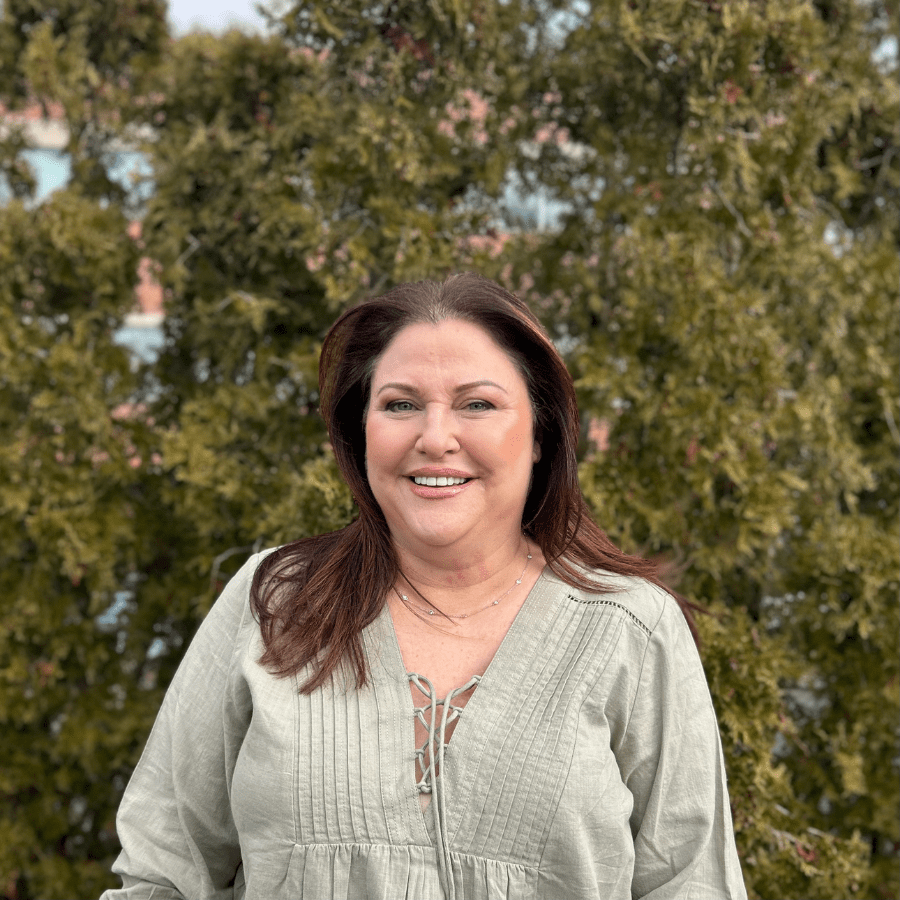
Feeding therapy at GBS is provided by Deborah Bonomo, M.S., CCC-SLP, in collaboration with our BCBA team. Her combined background in speech-language pathology and autism studies means she brings both clinical expertise and a deep understanding of the behavioral side of feeding challenges.
Meet Our SLP
Deborah Bonomo, M.S., CCC-SLP Speech-Language Pathologist
Deborah Bonomo is a licensed Speech-Language Pathologist who earned her Master of Science in Communication Disorders from William Paterson University and a post-master’s certificate in Autism Studies from the University of Massachusetts. She has worked across early intervention, public school, and private practice settings, and brings a thoughtful, relationship-centered approach to every client she serves.
Deborah believes that meaningful progress in communication comes from understanding the whole person and building strong partnerships with families and caregivers. She serves children and adults at GBS’s West Long Branch clinic and via telehealth, and serves on the advisory board of Arts for Autism.
Get in Touch
Whatever your situation looks like, you do not have to figure this out alone.
GBS’s feeding therapy team is here to help children and adults build a healthier, more comfortable relationship with food, one step at a time.