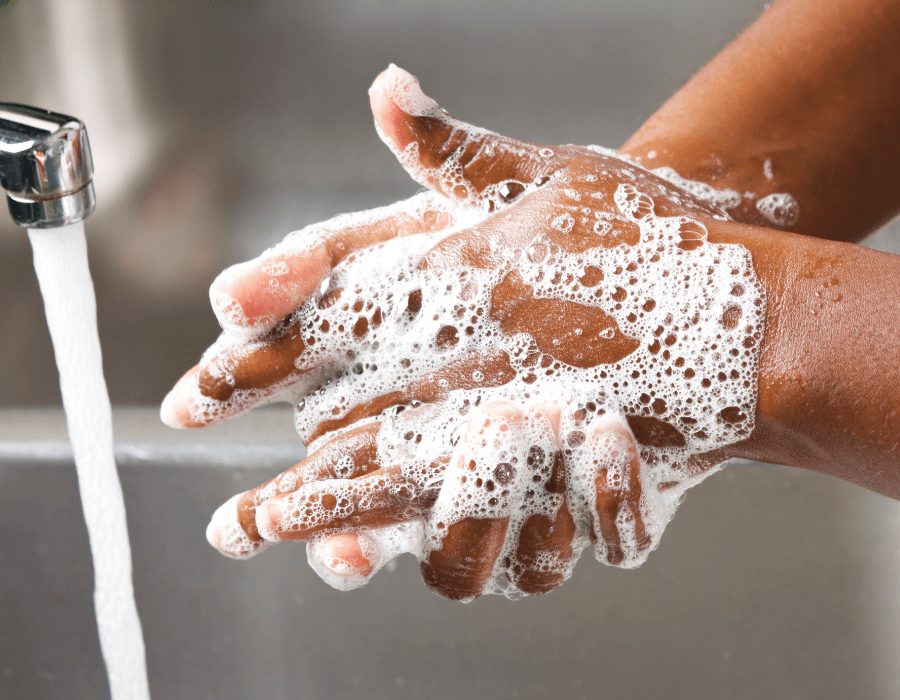
Now more than ever, keeping our hands clean is one of the simplest—and most powerful—ways to stop the spread of germs and stay healthy. While the urgency of COVID-19 may be behind us, the importance of handwashing remains. Teaching children good hand hygiene is a skill that protects them and those around them from all kinds of illness.
For many children, especially those with autism or other developmental disabilities, handwashing can be hard to master. Maybe they don’t understand why it’s important, or they struggle with following all the steps. Sometimes motor skills and attention make it even trickier to turn a healthy habit into a routine. Here are some proven ways to make handwashing easier for everyone in your home.
Why Teach Handwashing?
Most adults wash their hands to keep from getting sick and to prevent spreading germs to others. But for many children, especially those with developmental differences, these reasons may not make sense just yet. Instead, focus on making handwashing a “must-do” routine, building it into their daily schedule, no exceptions.
1. Establish Clear Handwashing Rules
Consistency is key. Start by teaching your child exactly when to wash their hands:
- After using the restroom
- Before eating
- After playing outside
- After being in the community or public spaces
Go over step-by-step rules for how to wash their hands every single time. When expectations are clear and consistent, children can build this healthy habit into their daily routine, even if they don’t full understand why it matters yet.
2. Use Visual Supports
Visuals make a huge difference, especially for children who are visual learners or who may not yet read. Create a handwashing chart that includes every step, such as:
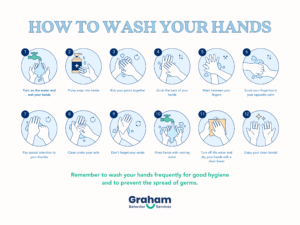
- Turning on the water
- Pumping soap
- Rubbing palms together
- Cleaning the backs of hands
- Washing between the fingers
- Rinsing thoroughly
- Turning off the water
For readers, post a written list in the bathroom. For nonreaders, use pictures of each step. You can take photos at home or print simple images. Visual reminders help kids remember the routine and practice independence.
3. Teach with Gentle Prompts
Let the visual prompts do most of the teaching, but if your child needs extra help, give physical prompts rather than lots of words. Try to stand behind your child and gently guide their hands through each step. Avoid giving too many verbal directions or praise at first—you want your child to learn to rely on the visuals and build independent skills, not rely on you being present every time. If needed, guide their hand to the next step on the visual chart.
4. Fade Your Help Over Time
As your child becomes more confident, gradually step back:
Allow them to try each step themselves, only helping if necessary.
Stand a few feet away instead of right next to them. If they make mistakes, step closer and help again.
As they master each step, move back to the doorway, and eventually out of sight. The goal is for your child to wash their hands correctly and independently, every time.
If your child makes an error while you’re farther away, simply return to where you last successfully helped them, provide support, and then continue stepping back over time.
A Lasting Message
Teaching kids to wash their hands isn’t just about stopping the next cold, flu, or COVID outbreak. It’s about building routines that keep them safe and healthy year after year. If your child needs extra support, be patient and use every tool and strategy available to help them succeed. Clean hands are always in style!
You can also check out my Parent Coaching video, Teaching Your Child Independence!
Interested in starting services? Contact us to get the process started!