
Does this sound familiar? Your child is playing happily. Then you turn away to answer an email or start dinner, and the screaming begins. If you’re searching for ABA strategies for tantrums, you’re not alone. There’s good news: many tantrums can be prevented before they ever start.
What Causes Tantrums, and Why Does Prevention Work Better Than Reaction?
Tantrums almost always have a reason behind them. A child might be seeking attention, avoiding a task, or struggling because a routine feels unpredictable. When parents wait until a tantrum starts, they have fewer options for help. But when parents step in before the behavior starts, they have a much better chance of avoiding it altogether.
This is the idea behind antecedent interventions, a core part of ABA (Applied Behavior Analysis) therapy. An antecedent is simply what happens right before a behavior. Change what comes before, and you can often change what comes next.
What Are Antecedent Interventions?
Antecedent interventions are proactive steps you take before a behavior occurs. They reduce the likelihood that a tantrum will happen in the first place. Instead of reacting after a meltdown begins, you address your child’s needs ahead of time.
For example, say your child tends to act out for attention. Give that attention earlier and more often, before they have to ask for it through a tantrum. This can make a real difference.
How Can I Help Prevent Tantrums Before They Start?
Here are four simple strategies many NJ families use at home.
1. Notice and Comment on the Good
When your child plays calmly or follows a routine without a fuss, take a moment to notice it out loud. Try a simple comment like “You’re building such a tall tower!” This gives your child positive attention for behavior you want to see more of. It can reduce the need to act out just to be noticed.
2. Get Your Child Engaged Before You Step Away
Does your child tend to struggle when left without something to do? Set them up with an activity before you turn your attention elsewhere. Save the most exciting toys or activities for moments when you know you’ll need a few minutes of focus, like during dinner prep or a phone call.
3. Build Predictable Routines
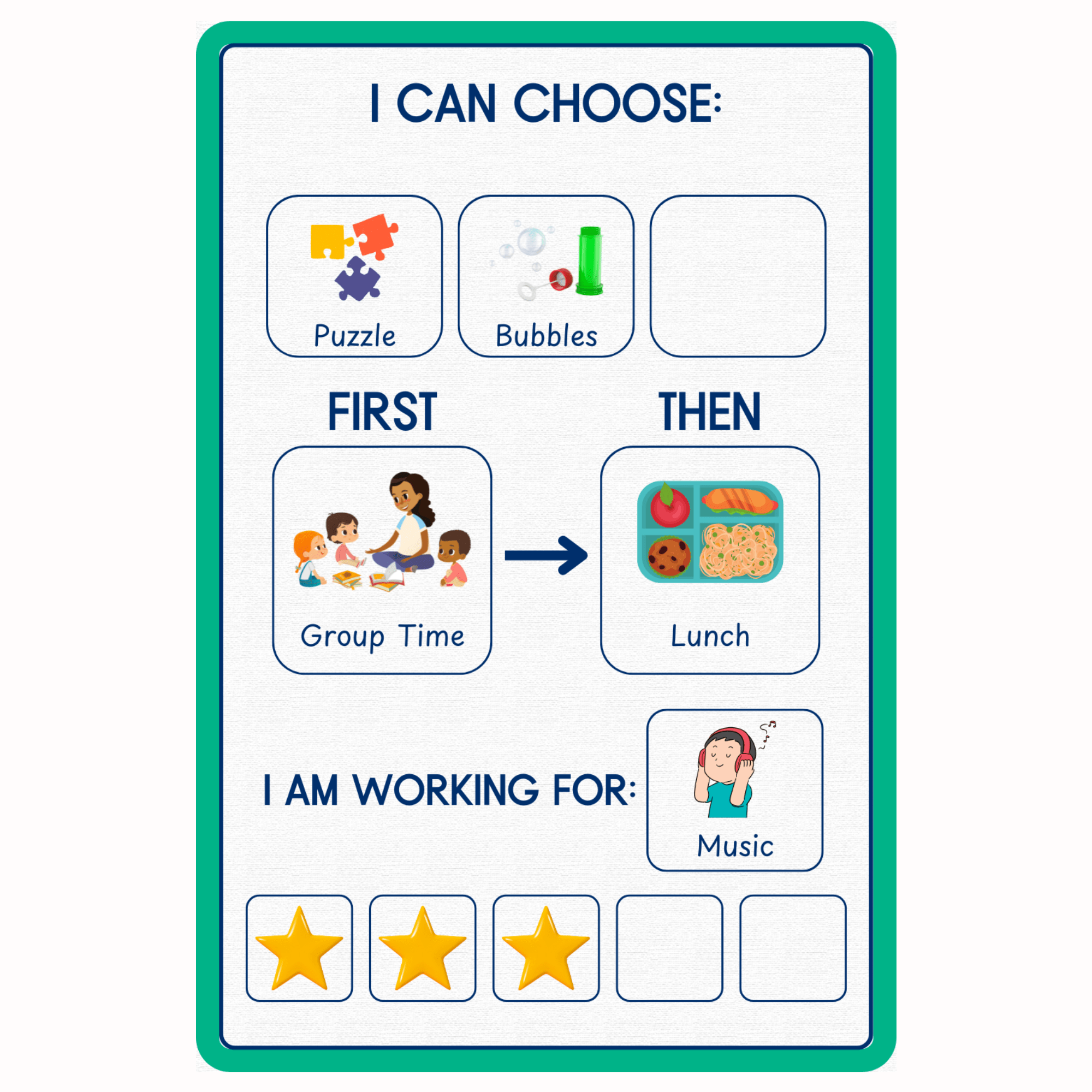
Children often do better when they know what’s coming next. This is especially true for kids who benefit from extra structure. Try a simple visual or verbal routine, such as “First we get dressed, then we brush teeth, then we eat breakfast.” This can reduce the uncertainty that often leads to pushback.
4. Offer Choices Within Limits
Children don’t need to control everything. But small, appropriate choices can go a long way. For example, breakfast isn’t optional, but your child can choose between two healthy options. Getting dressed isn’t optional, but they can pick the blue shirt or the green one. These small moments of control can prevent bigger conflicts later.
How Does ABA Therapy Support Families Dealing With Tantrums?
ABA therapy looks at why behaviors happen. Then it uses that information to teach new skills and reduce challenging behaviors over time. The American Academy of Pediatrics supports early behavioral intervention as an effective approach for children with developmental and behavioral needs.
For families in New Jersey, a BCBA (Board Certified Behavior Analyst) can help. This professional can identify the specific reasons behind your child’s tantrums. They can also build a plan that fits your family’s daily life, not a one-size-fits-all approach.
If your child already receives ABA services, your BCBA can help you apply these strategies. They’ll show you how these fit into your child’s individual program.
Frequently Asked Questions
Why does my child only tantrum with me and not at school? Many children behave differently in different settings. Routines, expectations, and attention patterns vary from place to place. This is common. It doesn’t mean anything is wrong with your parenting or your child’s school experience.
How long does it take to see a difference using these strategies? Every child is different, and consistency matters. Some families notice small shifts within a couple of weeks. Others find it takes longer. Many families find that pairing these strategies with professional support leads to more consistent progress.
What should I do if my child is already mid-tantrum? These strategies focus on prevention. But if a tantrum is already happening, try to stay calm. Avoid giving extra attention to the behavior, while still addressing any safety needs. A BCBA can help you build a plan for in-the-moment responses too.
Can these strategies work for children without autism? Yes. ABA therapy commonly uses these approaches for children with autism spectrum disorder. But the underlying principles, like attention, structure, and choice, can support many children’s behavior and development.
My child has more rigid behaviors, like only wearing certain clothes. Will this help with that? These prevention strategies are a great starting point. For more structured rigidity, check out our post on Reducing Tantrums & Increasing Flexibility in Children with Autism. It walks through a step-by-step approach for building flexibility around specific routines or preferences.
Next Steps for NJ Families
Tantrums can feel overwhelming. But small, proactive changes often make a meaningful difference. Want more support building these strategies into your daily routine? GBS’s Purposeful Parenting program pairs the science of ABA with practical, real-life coaching for families across New Jersey.
Sources
- American Academy of Pediatrics, Early Intervention for Children With Autism Spectrum Disorder Under 3 Years of Age: Recommendations for Practice and Research
- Behavior Analyst Certification Board (BACB), About the BACB